Understanding Image to Image AI Technology
In the rapidly evolving landscape of digital creativity, image to image ai emerges as a revolutionary tool that enhances artistic expression and innovation. This technology empowers artists to manipulate and transform images in unprecedented ways, bridging the gap between human creativity and artificial intelligence. With the ability to generate, modify, and augment images, artists can explore new dimensions of their work and redefine traditional artistic processes.
What is Image to Image AI?
Image to image AI is a subset of artificial intelligence that involves transforming one image into another while preserving certain elements of the original. This technology leverages deep learning algorithms, particularly generative adversarial networks (GANs), to analyze and understand the features and patterns within images. By inputting existing images, artists can generate variations, stylistic transformations, or entirely new creations that retain the essence of the initial input.
How Image to Image AI Works
The core of image to image AI lies in its algorithmic approach. Initially, the model is trained on a substantial dataset of images, learning the relationships and attributes that define various styles and subjects. Once trained, the AI can take a new image and apply learned techniques to transform it. For instance, artists can input a landscape photo and request the AI to render it in the style of Van Gogh, or apply modern aesthetics to a classical portrait. This interaction between human creativity and technological complexity enables artists to expand their creative horizons.
Key Benefits of Image to Image AI
- Enhanced Creativity: Artists can experiment with different styles and techniques without the need for manual adjustments or extensive training in various art forms.
- Time Efficiency: Image transformations that would typically take hours can now be executed in mere minutes, allowing artists to focus on refining concepts rather than labor-intensive processes.
- Access to Diverse Styles: With image to image AI, artists can easily explore and integrate multiple styles, leading to unique, hybrid creations that push the boundaries of traditional art.
- Democratization of Art: This technology lowers the barrier for entry into the art world, enabling individuals without extensive training to engage with art creation.
Applications of Image to Image AI in Art
Transforming Artistic Styles with AI
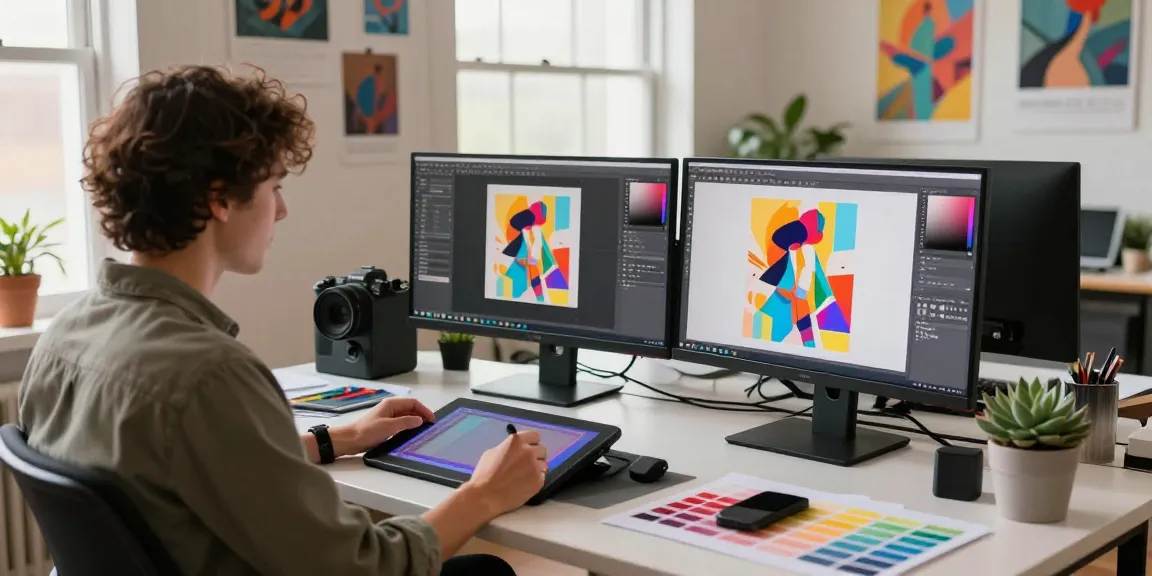
One of the most compelling applications of image to image AI is its ability to transform artistic styles. Artists can utilize specialized AI tools to emulate the techniques of renowned painters or adapt their own style into various formats. For example, a digital artist might take a photograph of a cityscape and convert it into a watercolor painting or an abstract piece. Such transformations enable artists to play with stylistic elements that may not align with their traditional methods.
Enhancing Creativity through Image Manipulation
Image to image AI empowers artists to manipulate visual elements creatively. By altering colors, textures, and forms, artists can derive inspiration from unexpected sources, leading to innovative outcomes. This manipulation can also serve as a springboard for further exploration, where initial AI-generated images can be refined and modified by the artist's hand, fostering a unique blend of human and machine creativity.
Case Studies: Successful Artist Implementations
Many artists are already harnessing the power of image to image AI in their work. For instance, artist Refik Anadol uses AI to create immersive installations that blend real-time data with visual art, resulting in dynamic digital environments. Additionally, the collaboration between AI and traditional artists has resulted in exhibitions showcasing AI-assisted pieces, pushing the boundaries of what is considered art. These implementations demonstrate the potential of AI to not only assist but also challenge traditional notions of creativity and authorship.
Challenges and Considerations
Common Misconceptions about AI in Art
Despite its growing popularity, there are several misconceptions surrounding the application of AI in art. A prevalent belief is that AI will replace human artists, undermining their creativity and expertise. However, image to image AI is best viewed as a tool that complements human creativity, rather than a replacement. Artists who embrace AI often find that it enhances their artistic voice instead of diminishing it.
Ethical Implications of AI-Generated Art
The rise of AI-generated art raises ethical questions regarding copyright and ownership. When an AI generates an artwork based on existing styles or images, who holds the rights to the resulting creation? Artists must navigate these complexities carefully, ensuring that their use of AI respects the intellectual property of others while still allowing for innovative expression.
Technical Limitations and Challenges
While image to image AI offers numerous benefits, it is not without challenges. The technology can produce unexpected results and may struggle with certain types of images, especially those requiring high degrees of nuance or detail. Furthermore, artists must possess a certain level of technical proficiency to effectively incorporate AI tools into their workflow, which might be a barrier for some.
Best Practices for Artists Using Image to Image AI
Integrating AI Tools into Your Workflow
To effectively leverage image to image AI, artists should consider integrating these tools seamlessly into their existing workflows. This could involve using AI for preliminary sketches, generating variations of existing works, or even collaborating with AI during the brainstorming phase. Embracing a hybrid approach where both AI and traditional methods are valued can lead to groundbreaking results.
Choosing the Right Software for Your Needs
With a multitude of software options available, selecting the right image to image AI tool is crucial. Artists should assess their specific needs, whether it’s ease of use, advanced features, or the ability to integrate with other tools. Popular tools like DALL-E, DeepArt, and Runway ML offer various features catering to different levels of experience and artistic goals.
Tips for Maximizing Creative Output
To fully utilize image to image AI, artists should experiment and explore the capabilities of the technology. Here are some tips to enhance creative output:
- Set Clear Goals: Define what you want to achieve with AI—whether it's style transformation, enhancing an existing piece, or creating entirely new images.
- Combine Techniques: Use AI-generated images as a base and build upon them with traditional techniques or other digital tools.
- Stay Informed: Follow industry trends and advancements in AI to discover new methods and tools that can enhance your art.
The Future of Image to Image AI in the Art World
Emerging Trends to Watch in 2026
As we look towards the future, several trends are poised to shape the landscape of image to image AI in the art world. The integration of AI into art education is likely to become more prevalent, allowing emerging artists to explore innovative techniques right from their formative years. Additionally, more platforms will likely emerge that facilitate artists' collaboration with AI, providing unprecedented access to creative tools.
Predictions for Artist Collaboration with AI
Looking forward, we can anticipate a shift towards deeper collaboration between artists and AI. Instead of viewing AI merely as a tool, artists may begin to see it as a co-creator, leading to an evolution in art practices and the emergence of entirely new genres. Collaborative projects will likely highlight the strengths of both human intuition and machine learning, resulting in art that resonates on multiple levels.
How AI Will Shape the Future of Digital Art
AI is set to redefine the future of digital art by fostering a space where creativity flourishes. The traditional boundaries separating artists and technologies are blurring, creating a new paradigm where digital expression can be both intuitive and algorithmically driven. As technology continues to advance, artists who embrace this shift will find themselves at the forefront of a movement that celebrates innovation and imagination.
What are the Benefits of Image to Image AI?
The primary benefits include enhanced creativity, time efficiency, access to diverse styles, and democratization of art, enabling others to participate in art creation, regardless of skill level.
Can Image to Image AI Replace Traditional Art?
No, image to image AI should not be seen as a replacement for traditional art forms but rather as a complement that expands creative possibilities.
How to Get Started with Image to Image AI?
Begin by exploring various AI tools, understanding their functionalities, and integrating them into your artistic practice. Start with simple projects to familiarize yourself with the technology.
What Tools Do Artists Use for Image to Image AI?
Popular tools include DALL-E, Artbreeder, and Runway ML, each offering unique features that cater to different artistic needs.
Is Image to Image AI Ethical for Artists?
As long as artists use AI responsibly, respect copyright laws, and acknowledge the role of AI in their work, it can be considered ethical.